
Introduction
In the digital age, the notion that small or medium-sized businesses are too small for cybercriminals is a dangerous misconception. With rising cyber threats, implementing robust security measures like Two-Factor Authentication (2FA) is no longer optional—it’s essential. This guide aims to demystify 2FA in simple terms, explaining why it’s a critical component of your business’s cybersecurity strategy.
Understanding Two-Factor Authentication
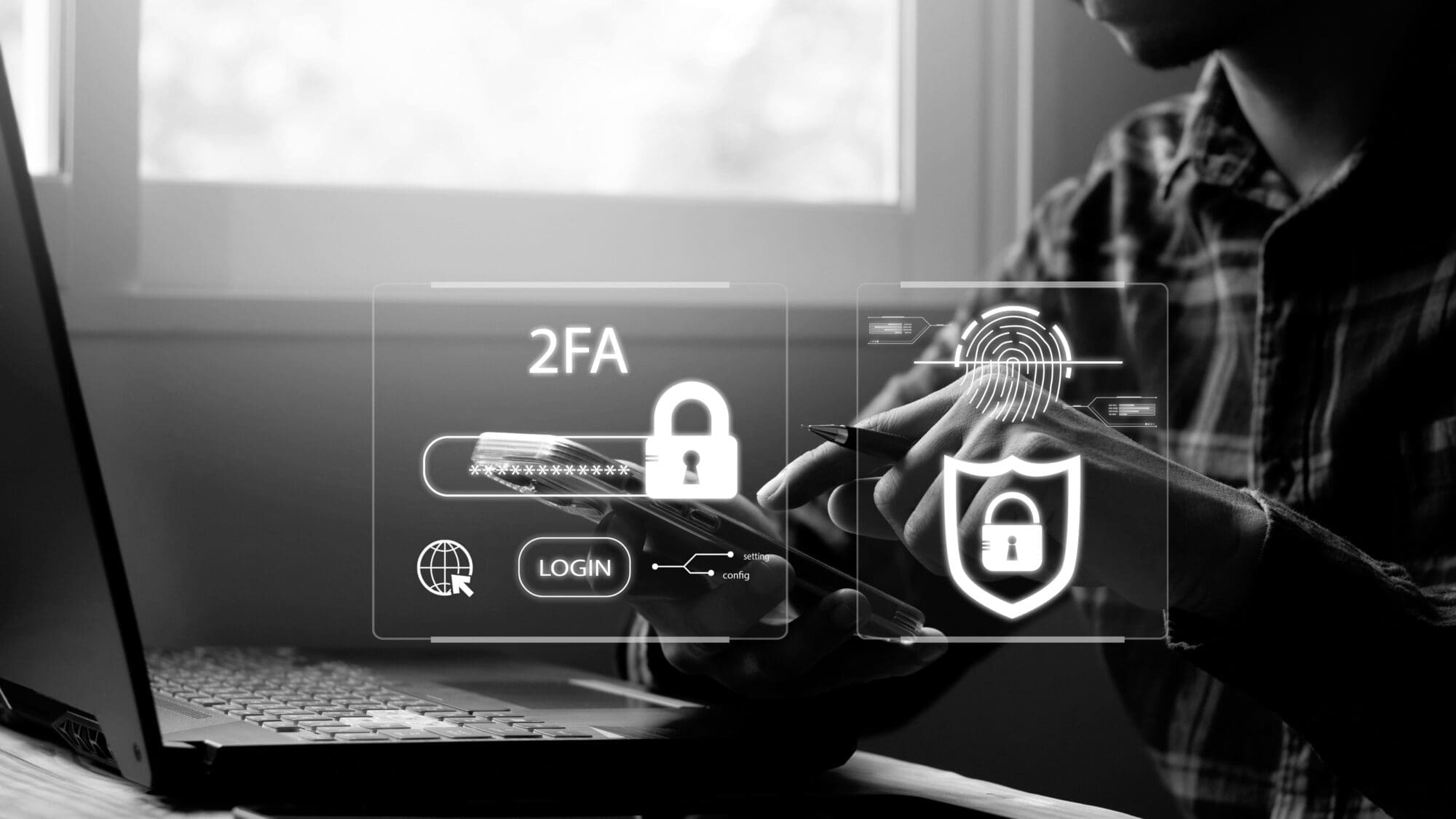
Two-Factor Authentication (2FA) adds an extra layer of security to your usual login process. It’s a combination of something you know (your password) with something you have (like your phone or biometric data). This dual-layer approach makes it significantly harder for unauthorized users to breach your accounts, even if they have your password.
How 2FA Works
After entering your password, you’ll need to verify your identity using a second factor. This could be:
- SMS-based 2FA: A code sent via text message to your phone.
- Authenticator Apps: Apps like Google Authenticator, Okta, or Authy, which generate time-sensitive codes.
- Biometric 2FA: Using unique biological traits like fingerprints or facial recognition.
Not sure which method is right for your business? This detailed guide might help.
Why 2FA is Crucial for Your Business
- Enhanced Security: 2FA dramatically reduces the risk of unauthorized access, effectively blocking a significant percentage of automated cyberattacks and phishing attempts. By adding this extra layer, you ensure that even if a password is compromised, the intruder still cannot gain access.
- Building Customer Trust: Demonstrating a commitment to security can build customer confidence, showing that you value and protect their personal and financial information. This trust is crucial in today’s digital marketplace, where consumers are increasingly concerned about data privacy.
- Cost-Effective Security: Many 2FA solutions are affordable, providing a high return on investment by significantly enhancing security without a substantial financial burden. This makes 2FA an accessible option for businesses of all sizes, ensuring that even small businesses can safeguard their digital assets effectively.
Tips for Implementing 2FA in Your Business:
- Assess Your Needs: Consider the type of data you handle.
- Educate Your Team: Importance of 2FA and its effective use.
- Stay Updated: Keep your security systems updated.
Current Adoption Rates of 2FA in U.S. Businesses:
Despite the clear benefits of Two-Factor Authentication, its adoption rates vary significantly across businesses of different sizes in the United States. A striking 95% of companies in the U.S. now require MFA as a standard security measure. This high adoption rate reflects a growing recognition of the importance of robust cybersecurity practices in an increasingly digital business environment.
However, the scenario is quite different for smaller businesses. Among small to medium-sized businesses, only about 13% have implemented MFA for their employees. This contrast is stark compared to larger organizations, where 87% of employees at companies with more than 10,000 employees are required to use MFA. This disparity highlights a crucial gap in cybersecurity adoption, underscoring the need for increased awareness and resources for cybersecurity measures across all business sizes, especially as cyber threats continue to evolve.
Conclusion
The data on the adoption of Two-Factor Authentication reveals a crucial divide in cybersecurity practices between large corporations and smaller enterprises. As cyber threats become more sophisticated, it’s imperative for businesses, regardless of their size, to adopt robust security measures like 2FA. By embracing such technologies, businesses not only protect themselves but also build trust with their customers and stakeholders, ensuring a secure and resilient digital presence.